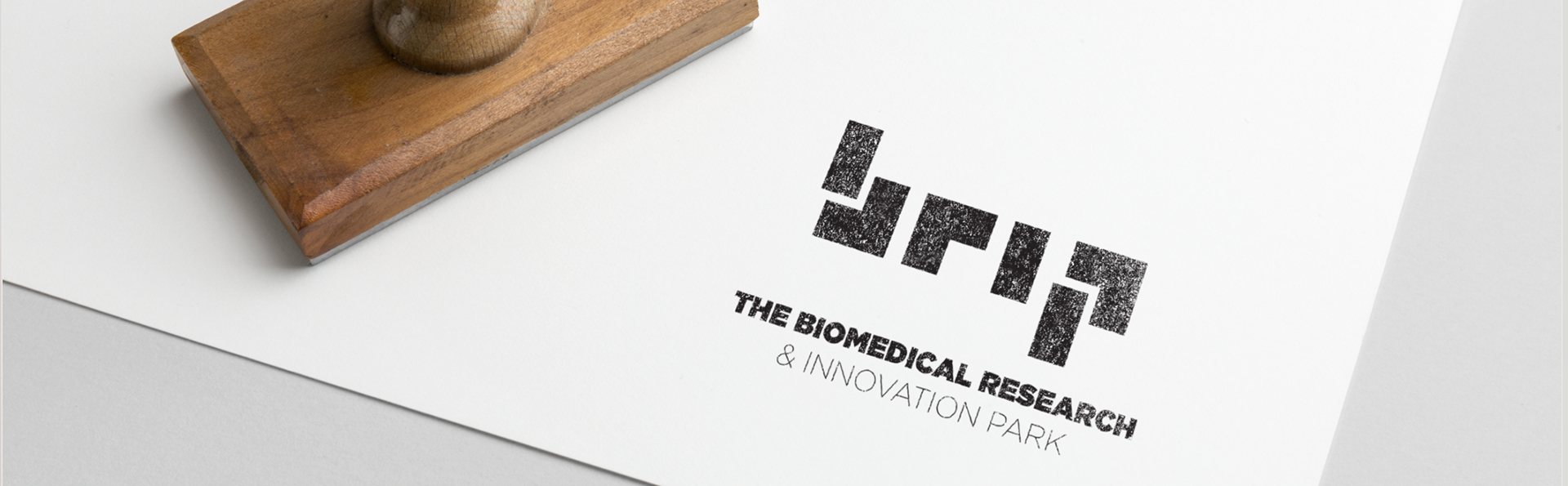
The Biomedical Research & Innovation Park
Designing an identity for an ecosystem of ideas
Creative Direction · Brand Strategy · Naming · Visual Identity · Digital Experience · Website · Development · Hosting
Summer 2021

ABOUT BRIP
The Biomedical Research & Innovation Park (BRIP) was conceived as a catalyst for Monroe's emerging life sciences economy, bringing together the University of Louisiana Monroe (ULM), Edward Via College of Osteopathic Medicine (VCOM), research institutions, entrepreneurs, and industry. The 60,000-square-foot development was designed to provide laboratories, offices, research environments, and business-development resources for emerging biotechnology and biotech-compatible companies. Beyond providing a place for research, BRIP was envisioned as a platform for technology transfer, commercialization, collaboration, and the creation of new businesses and jobs, connecting academic research with private enterprise and helping position Northeast Louisiana as a growing center for life sciences.
CHALLENGE
How do you create an identity for something that is still becoming?
BRIP was envisioned as a place where research, education, business, technology, and the community could come together to create new opportunities. The challenge was therefore bigger than designing a logo. The identity needed to represent what BRIP is today while remaining flexible enough to grow with the organization and the opportunities around it.
START WITH WHY
The process began by looking beyond the category of biomedical research and asking what BRIP could make possible. The answer was connection: research with business, education with opportunity, ideas with resources, and people with one another. That became the foundation for the identity.

THE PROBLEM WITH THE OBVIOUS
A research park can be represented very easily. DNA, cells, molecules, microscopes, laboratory glassware, circuit boards, leaves, and other familiar scientific symbols immediately communicate the category. The problem is that they describe what an organization does without necessarily communicating why it exists or what makes it different.
A visually appealing mark wasn't enough. The identity needed a concept capable of providing meaning and establishing a foundation for everything that followed, from the logo and visual language to environmental applications, communications, and digital experiences.
The question became:
How can the identity communicate why BRIP matters?
DESIGN LANGUAGE
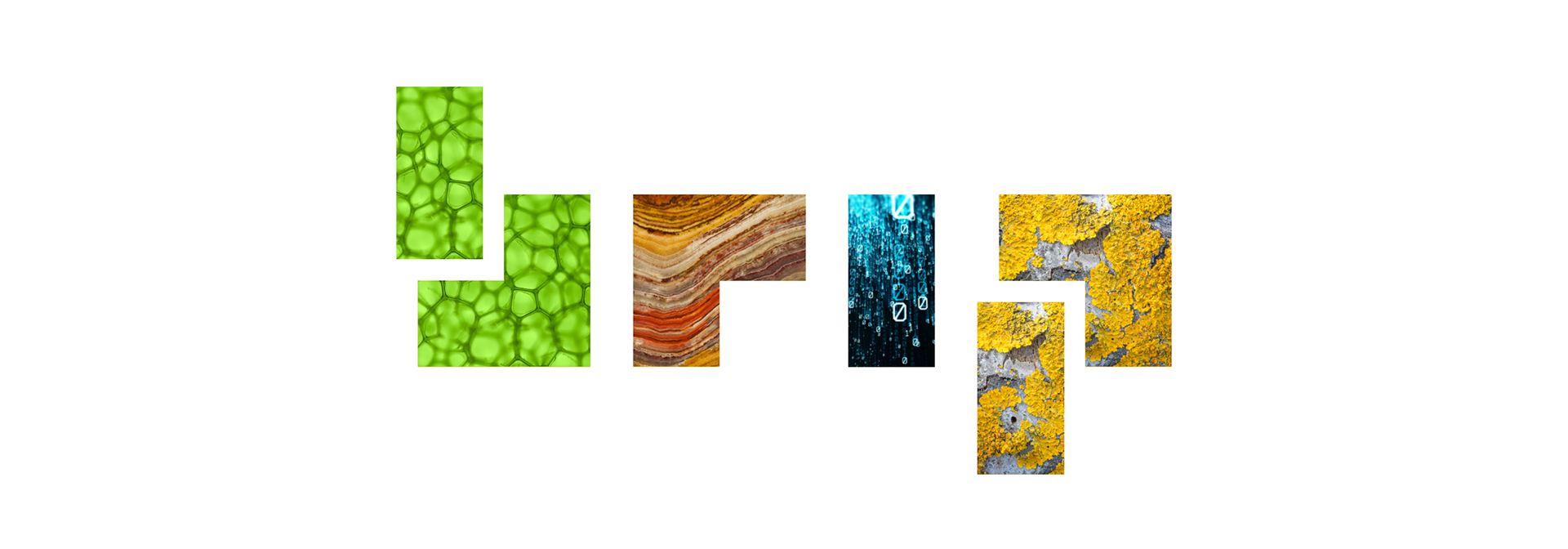
The visual language draws from the structures and codes found in both biological and technological systems.
Biome — an interconnected environment.
Biological code — information, structure, and organization.
DNA — identity, information, and life.
Modules — individual elements capable of becoming part of a larger system.
Tech code — digital information, systems, and innovation.
Fragments — individual pieces that connect to create something greater.
Biological code — information, structure, and organization.
DNA — identity, information, and life.
Modules — individual elements capable of becoming part of a larger system.
Tech code — digital information, systems, and innovation.
Fragments — individual pieces that connect to create something greater.
Together, these references establish a visual system that can fragment, connect, repeat, and adapt.

CONNECTION
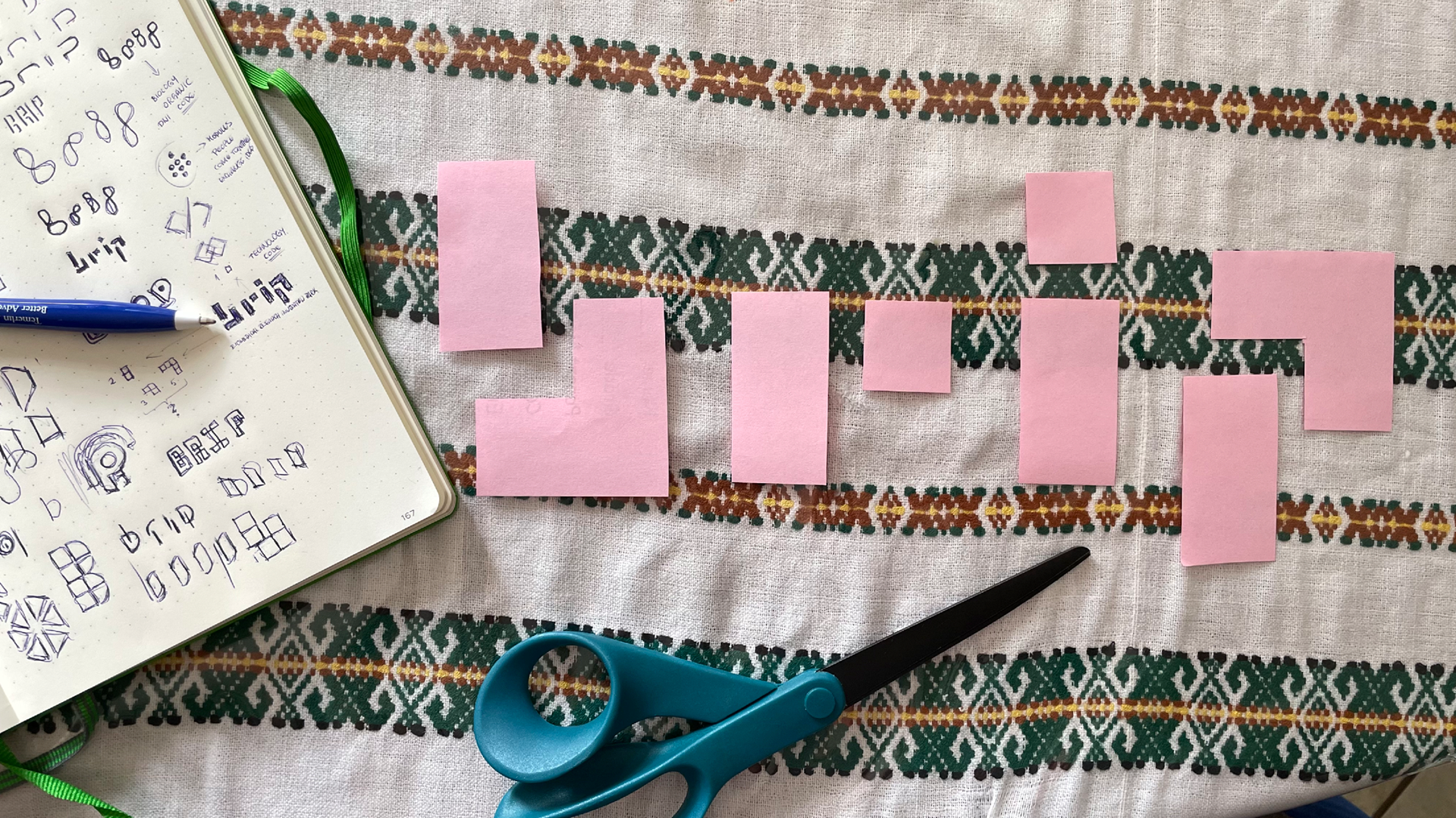
Innovation rarely happens in isolation. It emerges when different disciplines, experiences, knowledge, and perspectives connect around a shared purpose. The cell became a metaphor for this relationship: individual units with their own characteristics becoming part of a larger living system. The mosaic reinforced the idea, individual fragments coming together to create something that could not exist through any single piece alone.
A FLEXIBLE SYSTEM
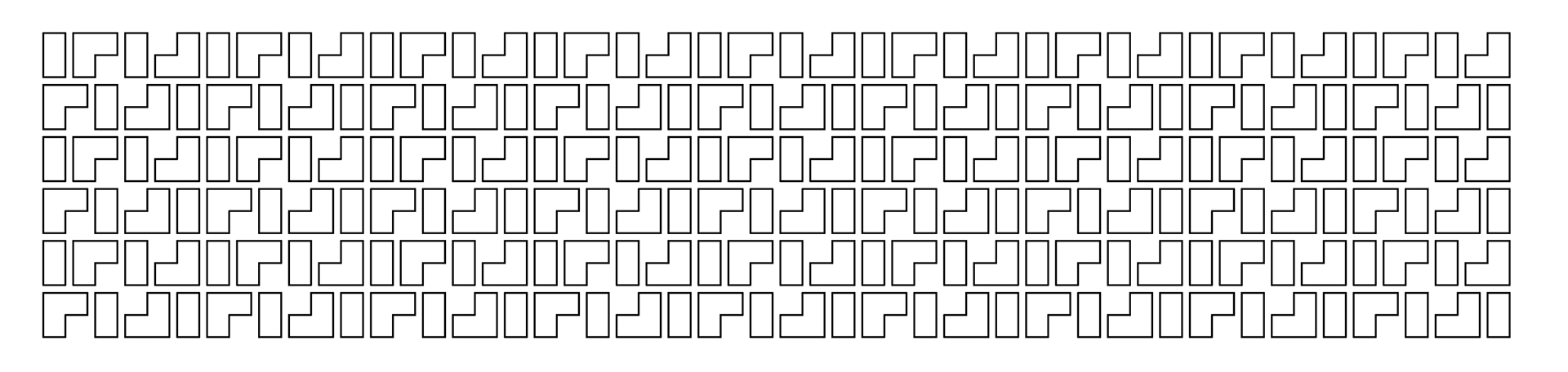
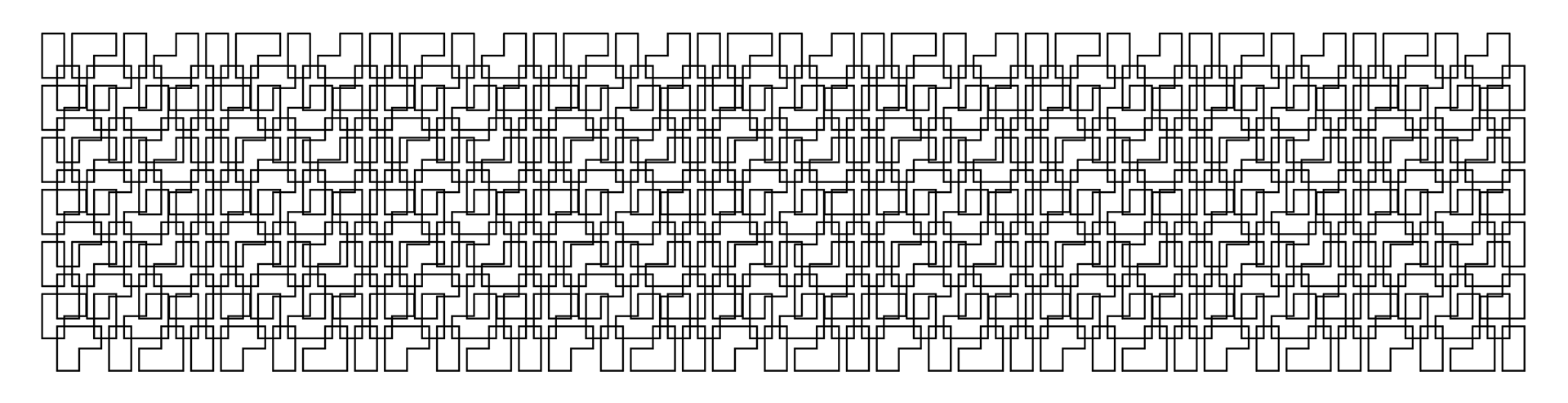
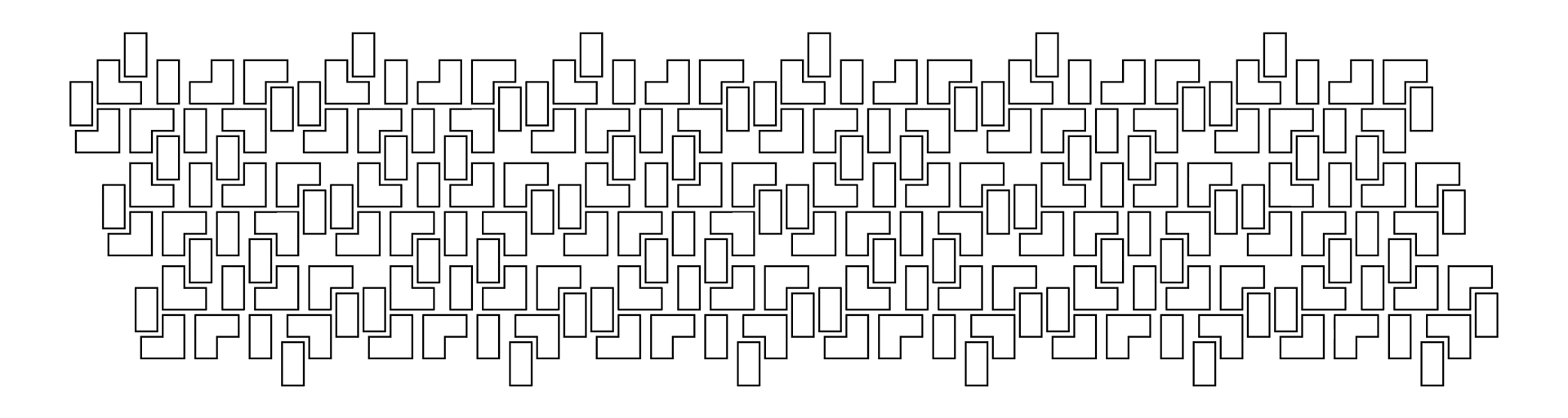
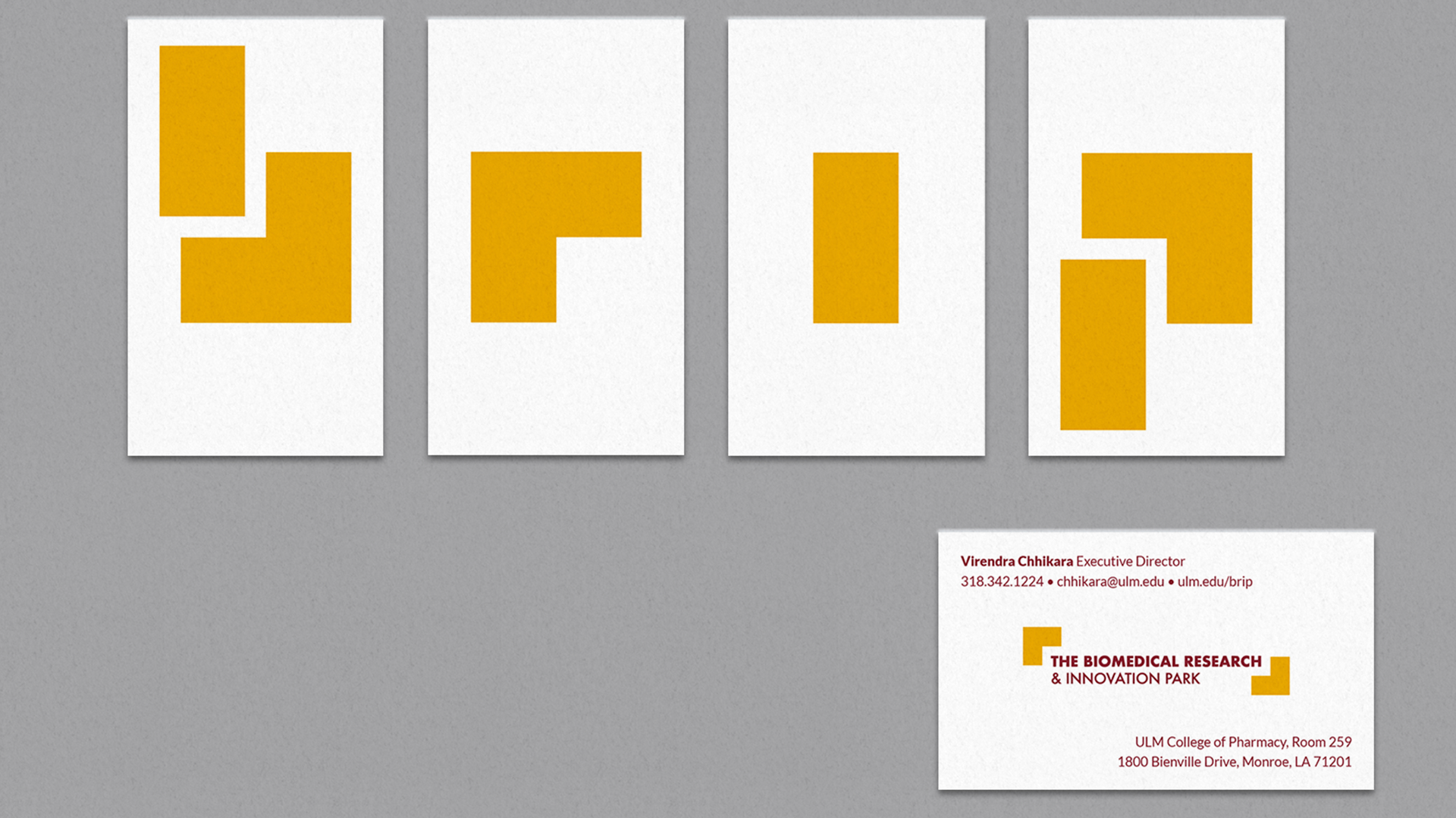
If BRIP is an organization built around innovation, its identity should behave the same way. A rigid identity would not reflect an organization designed to evolve. The visual system therefore became modular, allowing elements to repeat, combine, rearrange, expand, contract, and adapt to different contexts. The system could move from a small digital application to large environmental graphics, from stationery to signage, from presentations to digital experiences.
INNOVATION = CHANGE = FLEXIBLE
LEARNING FROM NATURE
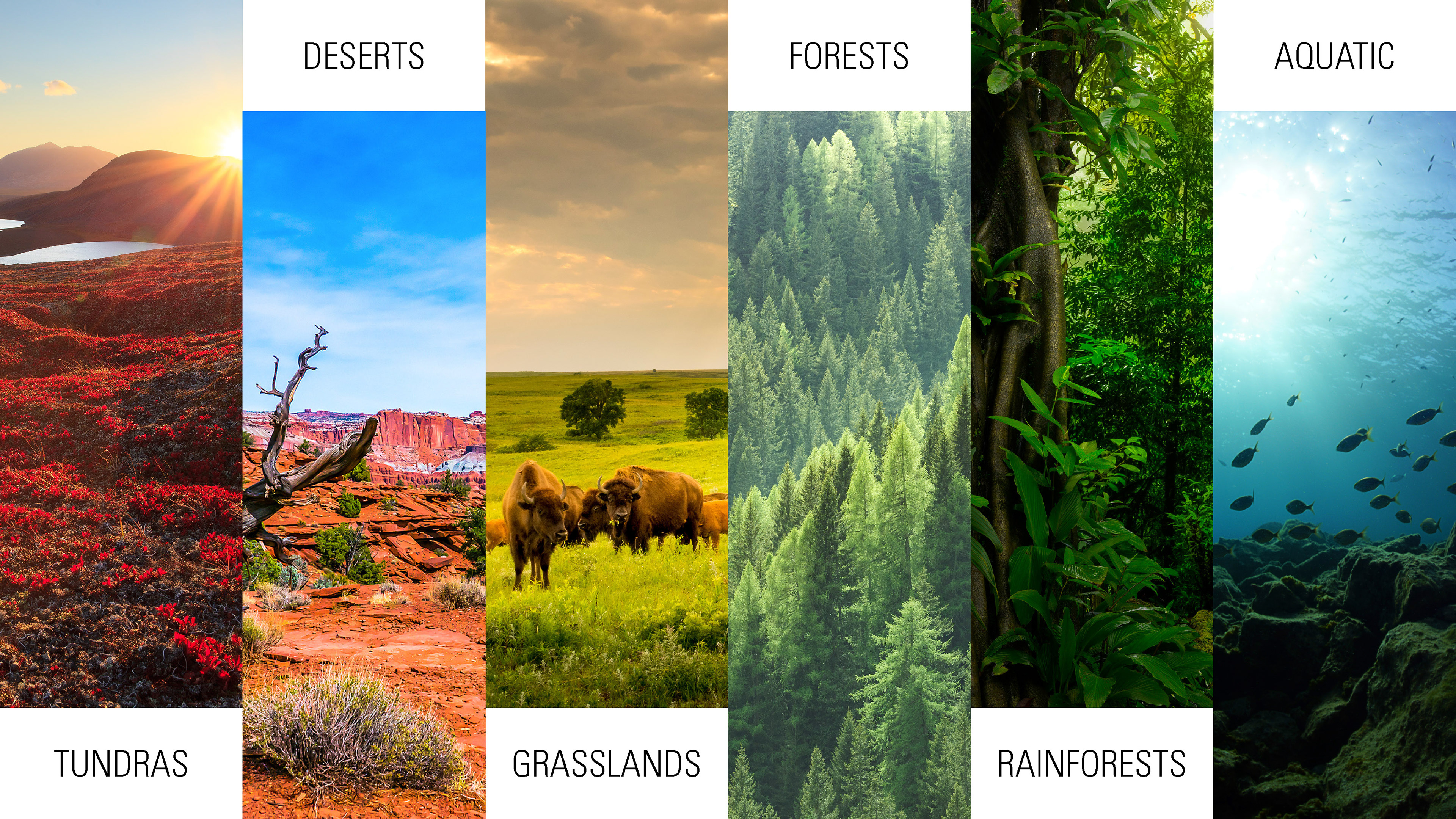
Nature became another important source of inspiration, not as an aesthetic style, but as a system of intelligence. Nature adapts. It connects. It responds to its environment. It evolves. This introduced the principle of biomimicry: looking at how nature solves problems and using those principles as a source for human innovation. The relationship between innovation and place was equally important. Louisiana has its own environment, resources, challenges, and opportunities. Solutions developed elsewhere cannot simply be transplanted without considering local conditions.
Innovation is contextual.
The environment changes the problem, and the problem changes the solution.
THE BIOME OF IDEAS
These ideas converged into a central concept: The Biome of Ideas
A biome is an interconnected living environment. Its individual organisms are different, yet their relationships allow the larger system to function. This became a metaphor for BRIP. Researchers, students, businesses, universities, technology, industry, community, and ideas interact within the same environment. BRIP is not simply a place where research happens. It is a place where ideas interact.
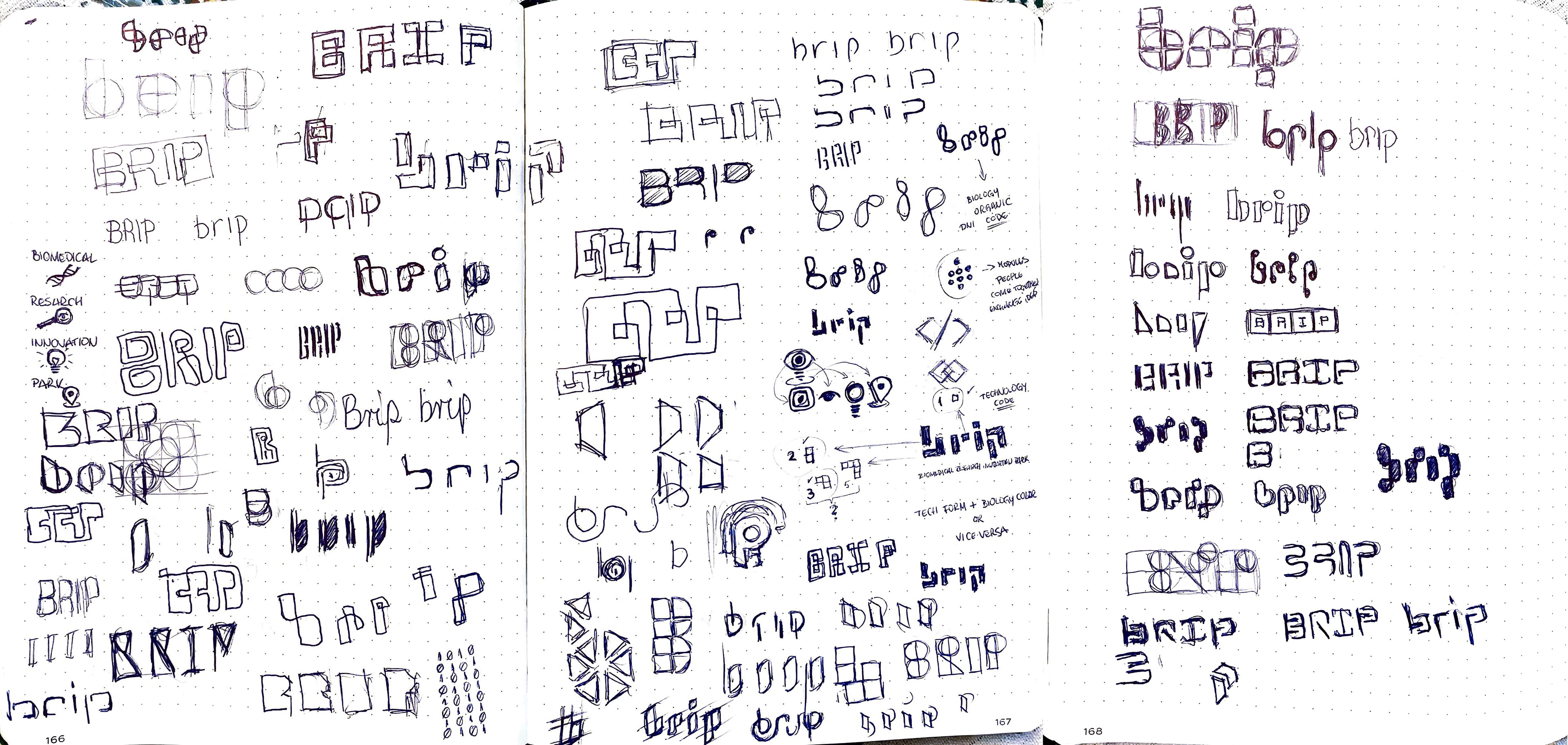
Biome · Biological Code · DNA · Modules · Tech Code · Fragments
Individual elements become meaningful through connection. Like a biological or technological system, the identity can adapt, combine, and evolve while maintaining a recognizable structure.
BUILT TO ADAPT
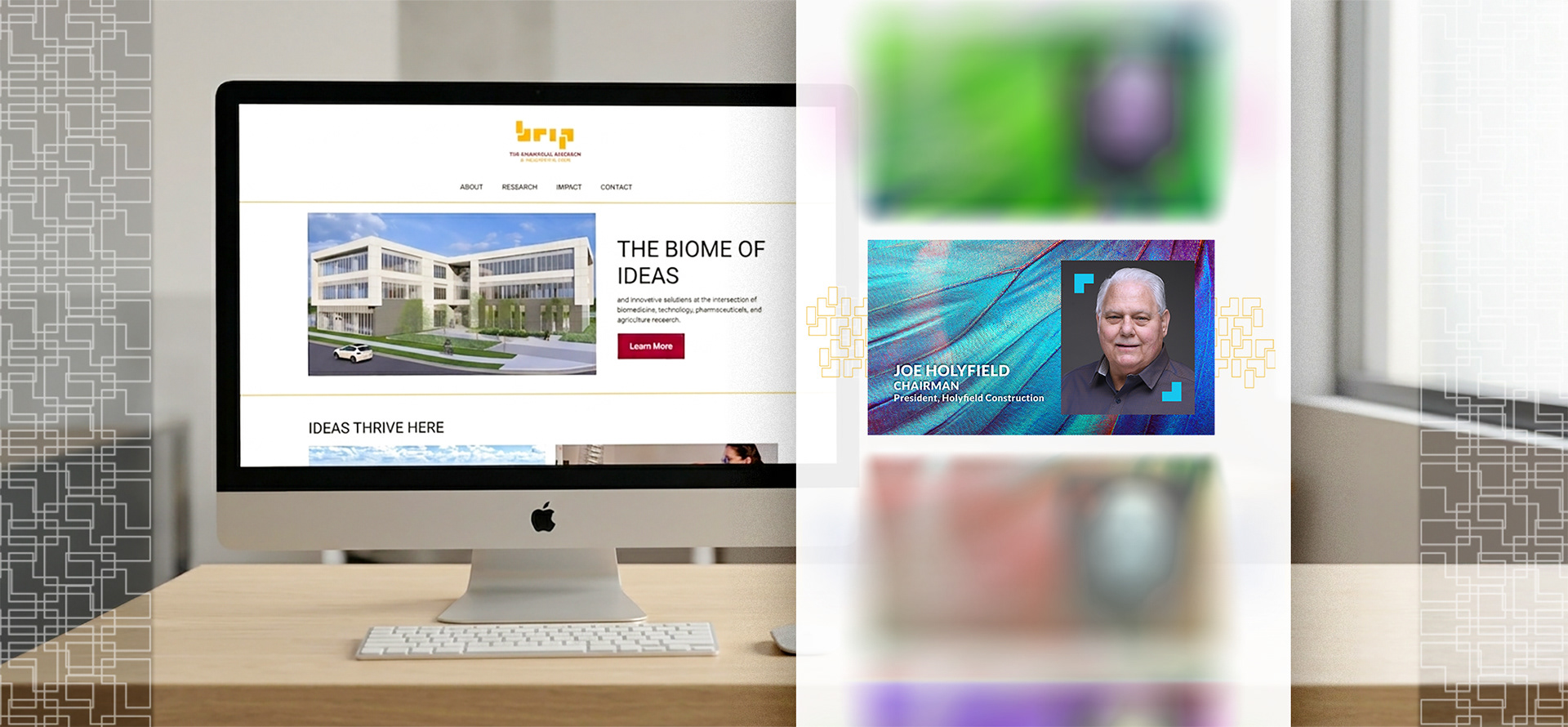
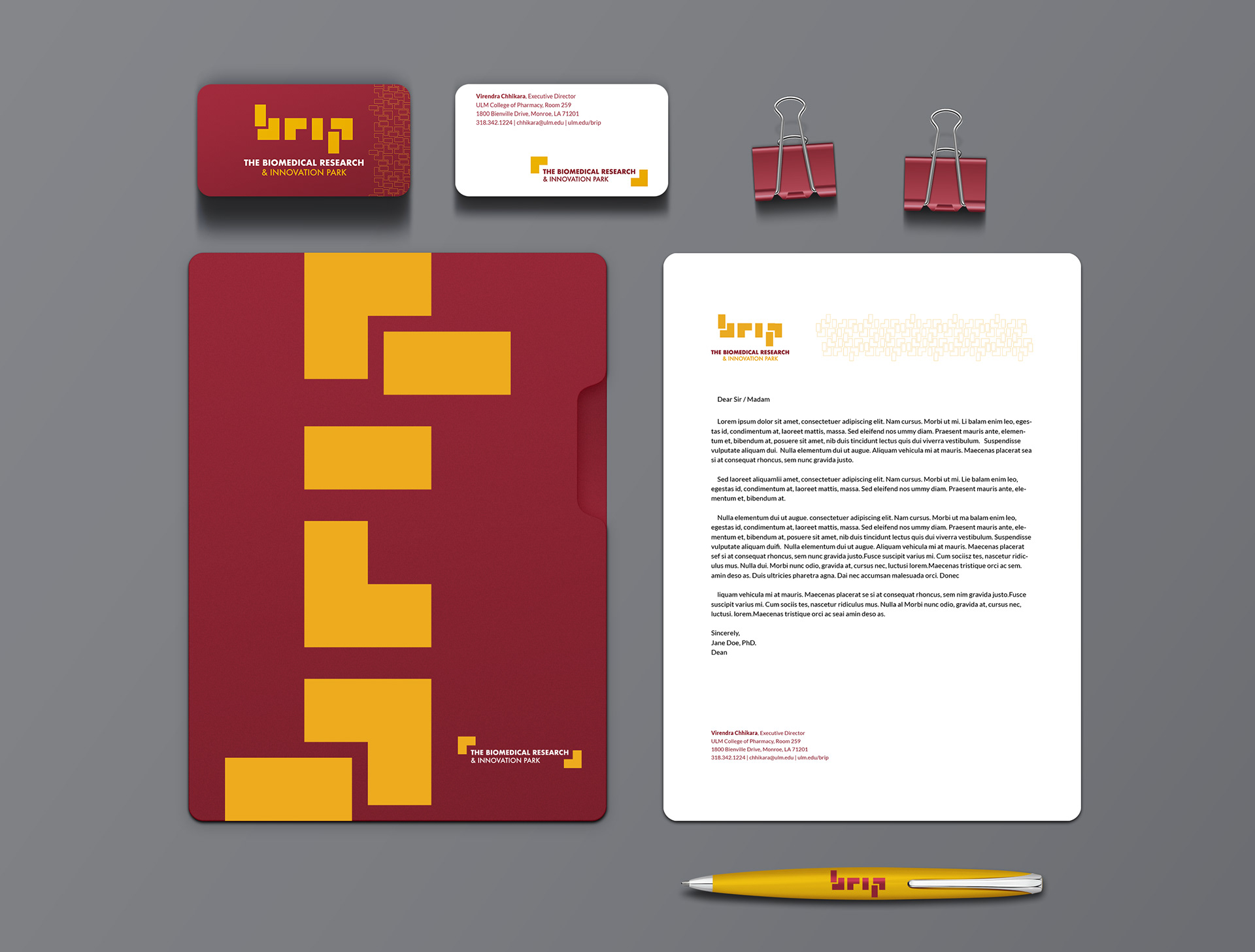
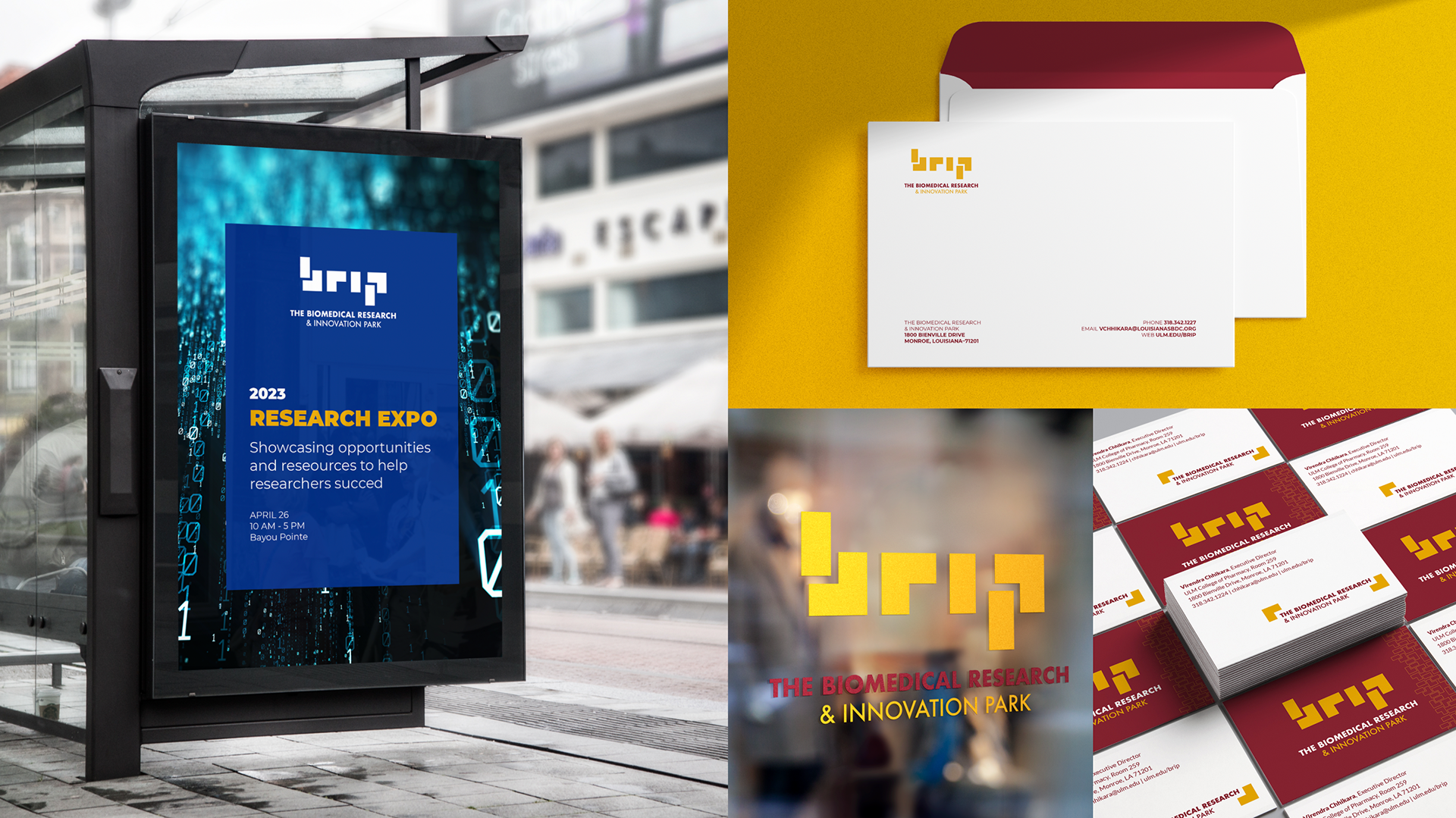
The identity was designed to be modern, simple, flexible, and adaptable—much like a biome. Its core element can stand alone or combine into more complex compositions, allowing the system to evolve across different scales and mediums. From 2D applications to signage, interiors, environmental graphics, architecture, and digital media, the identity was envisioned as a system capable of adapting to its environment while remaining recognizably BRIP.
Flexible by nature. Adaptable by design.
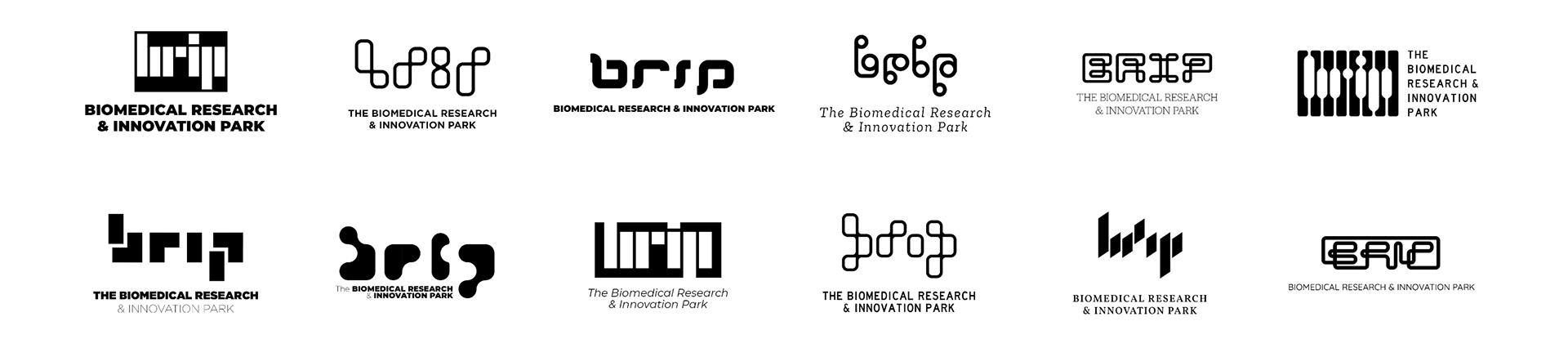
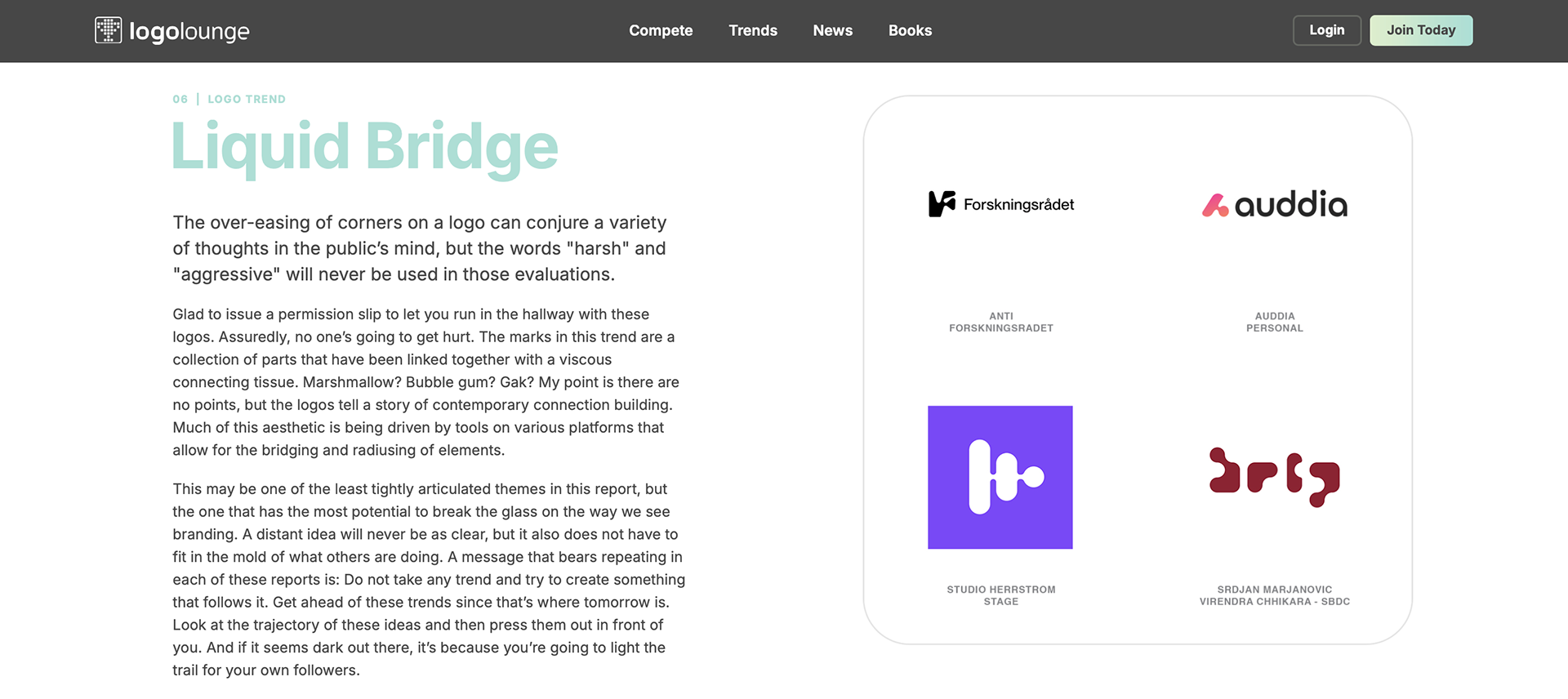
One of the exploratory BRIP logo concepts was featured in LogoLounge's 2024 Logo Trend Report, placing the work within a broader conversation around emerging directions in contemporary identity design.
BY BILL GARDNER | JUL 15, 2024
This year, logos are getting boxed, chopped, dropped, liquified, and sticker-ified in the name of experimentation.
THE RESULT
This identity is designed for an evolving biome. While BRIP began with a focus on biomedical research and innovation, its true purpose is connection. It shares knowledge, provides resources, and creates business opportunities to transform Northeast Louisiana. The new visual language gives this ambition flexibility. Individual ideas connect. Connected ideas ignite new possibilities.
This identity is designed for an evolving biome. While BRIP began with a focus on biomedical research and innovation, its true purpose is connection. It shares knowledge, provides resources, and creates business opportunities to transform Northeast Louisiana. The new visual language gives this ambition flexibility. Individual ideas connect. Connected ideas ignite new possibilities.
BRIP — The Biome of Ideas. Ideas Thrive Here.